
If you're tired of touching up the same half-inch of regrowth every three or four weeks, you're not alone it's one of the most common frustrations we hear from clients at Be U Hair Design. Grey hair blending is a colour approach that works with your natural grey instead of fighting it every month, using highlights, lowlights and strategic colour placement to soften the line between your natural hair and your colour.It isn't a single fixed technique, and it isn't automatically the right choice for every head of hair. What works depends on how much grey you have, where it's concentrated, your natural hair colour, your skin's undertone and how much upkeep you actually want. That's why, before recommending any approach, our stylists sit down with you for a proper consultation rather than picking a formula off a colour chart.This page walks through what grey hair blending actually involves, how it compares to full grey coverage, and what to expect if you're considering it whether you have a few scattered greys around your hairline or you're ready to grow out years of dark dye.
What Is Grey Hair Blending?
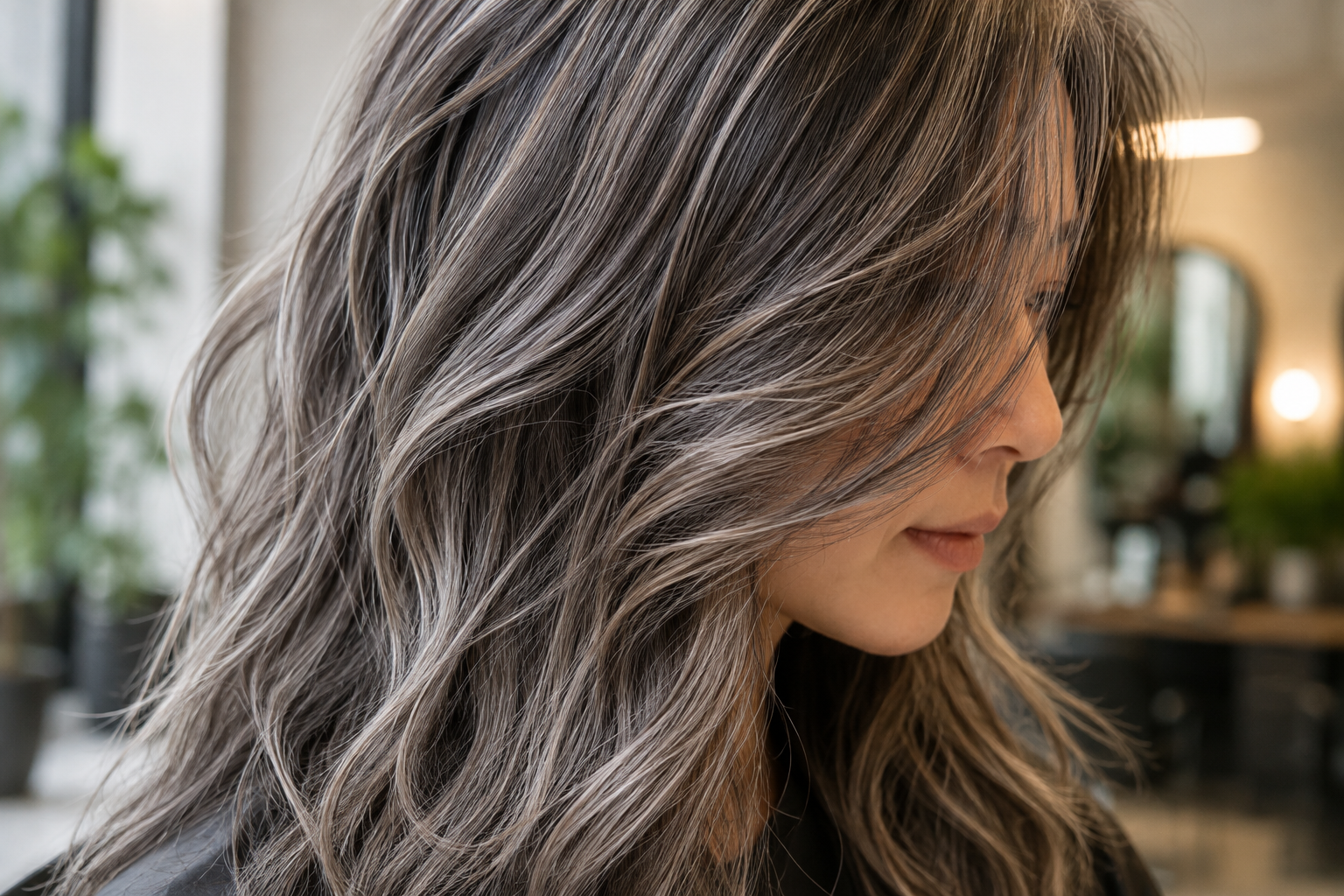
Grey hair blending also spelled grey hair blending in Singapore is a colouring approach that integrates your natural grey or white strands into the overall colour design instead of dyeing every strand to hide them. Rather than one flat, opaque shade, a stylist uses techniques like fine highlights, lowlights or dimensional colour placement so the grey reads as part of the colour pattern rather than a base to be covered.The result is usually a softer, more textured colour with visible tonal variation, closer to how hair naturally lightens with sun and age. Because the grey is being incorporated rather than concealed, regrowth tends to look less like a hard line and more like a gradual continuation of the existing colour hough how gradual that is still depends on your hair's contrast and the technique used.Grey blending is not one product or one process. It's better understood as a design strategy that can involve several different techniques depending on your hair.
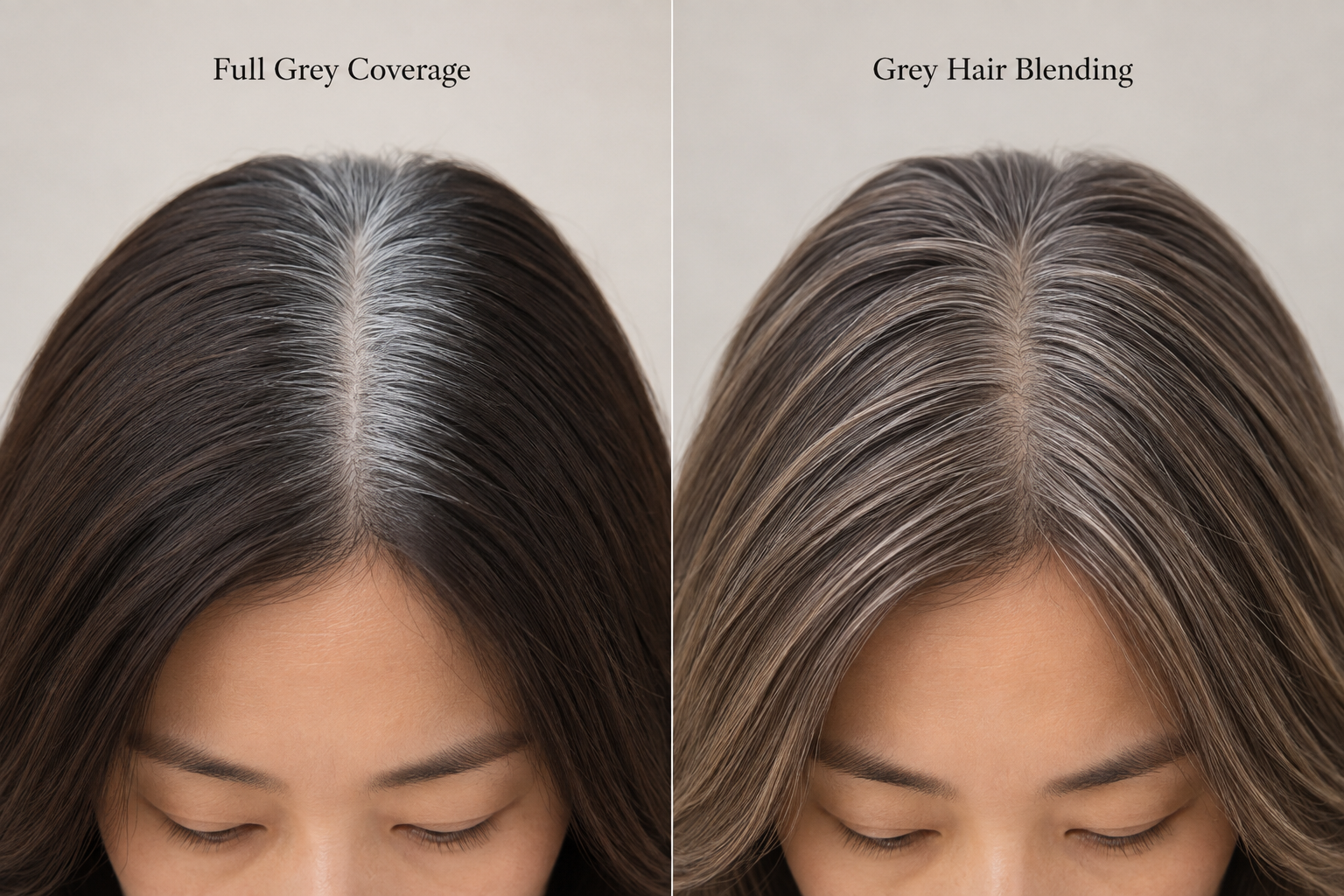
Traditional grey coverage applies a solid, opaque colour designed to cover most or all of your grey hair in one uniform shade. It's a reliable way to achieve full coverage, but because new growth comes in completely different from the dyed colour, the regrowth line is usually more visible and tends to need more frequent root touch-ups to stay looking fresh.Grey hair blending takes a different route. Instead of hiding every grey strand, the colour is designed to work with the grey that's already there — using lighter pieces, dimensional tones or lowlights so the transition between your natural colour and your regrowth is softer. Clients often find this gives a more dimensional, natural-looking result with a less obvious root line as hair grows out.We'd rather be upfront than oversell this: grey blending is often associated with an easier grow-out, but it isn't automatically low-maintenance. How much upkeep you need still depends on the technique used, your natural hair colour, your grey percentage, and how polished you want the result to look between visits. A client with high-contrast dark hair and only 15% grey will have a different maintenance rhythm from someone with salt-and-pepper hair that's already 60% grey.
Who Is Grey Hair Blending Suitable For?
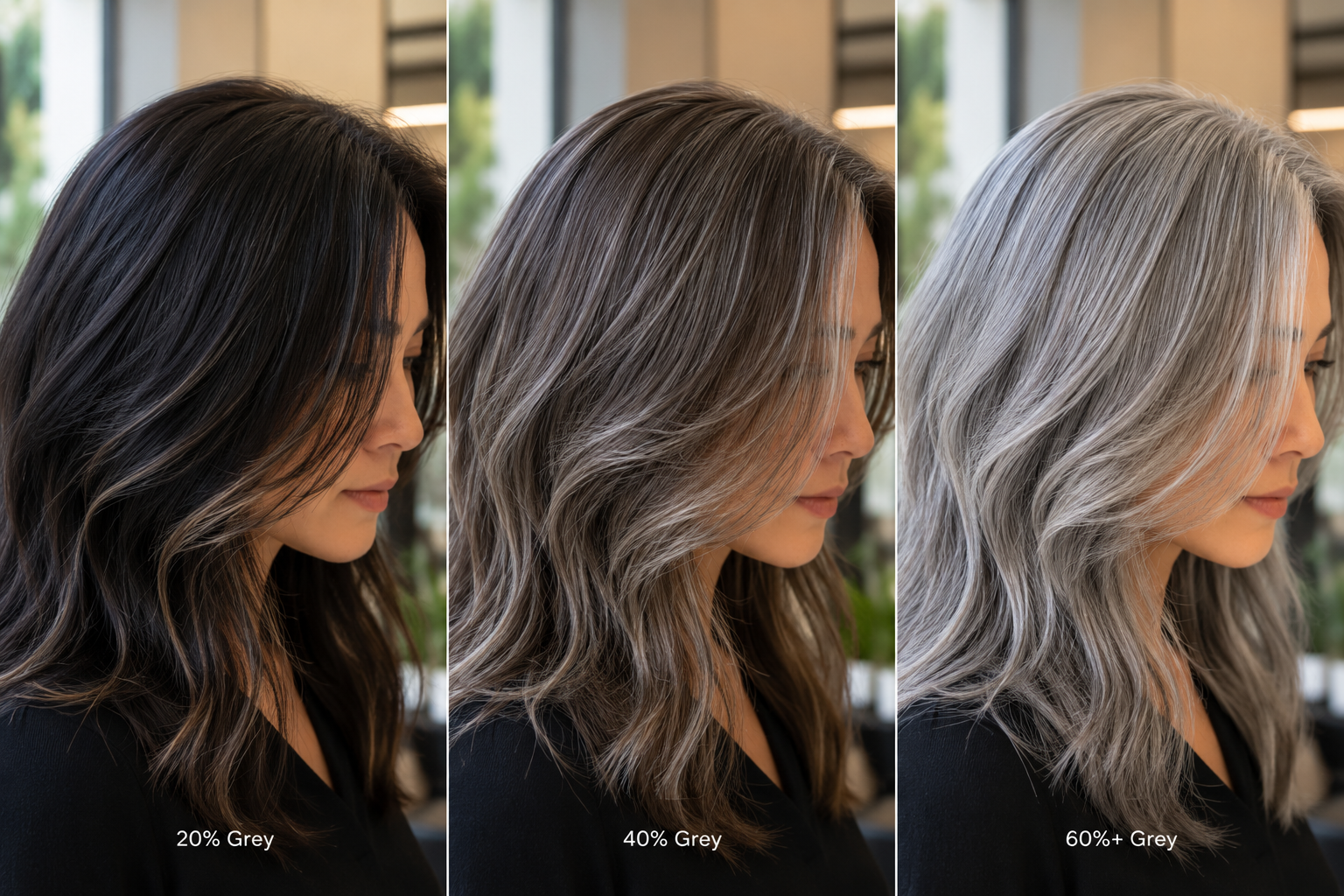
We commonly design grey blending strategies for:Clients in the early stages of greying who have scattered strands rather than solid patchesThose with visible grey concentrated around the hairline, temples or partingClients who are tired of colouring their roots every few weeks and want a more forgiving regrowthPeople actively transitioning away from dyed hair toward their natural greyMature clients who still want colour that feels current and dimensional, not flat or ageingAnyone whose grey has become more prominent recently and wants a colour plan rather than a one-off fixGrey blending isn't only for clients who are "ready to go fully grey." Many of our clients simply want their grey to look intentional and well-designed rather than something they're constantly managing. Whether it's the right fit for you, and which version of it, is something we assess at your consultation rather than assume from a category.What This Can Look LikeTo make this less abstract, here are a few illustrative examples of how a plan might differ by starting point. These are examples to show our thinking, not documented client case studies:Scattered grey at the temples, otherwise dark hair. A plan built around fine face-framing highlights at the hairline, so the existing grey blends into the highlight pattern instead of standing out against solid dark hair.Salt-and-pepper hair, roughly 40% grey, box-dyed dark brown for years. A multi-session plan — colour correction first to work through the artificial pigment, then highlights and lowlights layered in over subsequent visits, rather than one attempt to "fix" it in a single appointment.Mostly grey (60%+), never coloured before. Often the lightest-touch option: toning to manage warmth, with lowlights added only if more dimension is wanted. Sometimes the simplest plan is the right one.
How We Personalise Your Grey Blending
At Be U Hair Design, our approach is to design hair colour around the individual, not to apply whatever's trending. A grey blending result that looks beautiful on one client can look dull or harsh on another the difference usually comes down to skin undertone, contrast, and how the colour placement interacts with your features.Before recommending a technique, we typically assess:Skin undertone whether warmer, cooler, neutral or more muted tones will sit best against your complexionExisting hair colour and level your natural base and any residual artificial colour Grey percentage and distribution how much grey you have and where it sitsHair condition and history previous chemical treatments, and how your hair is likely to respondLifestyle and maintenance preference how often you're realistically able to come inPersonal style the level of contrast, dimension or subtlety you actually want to wear day to dayFace shape where highlights and face-framing pieces are placed to work with your features, not just your hairlineThis matters because a trendy ash or silver tone doesn't suit every undertone the wrong shade can make a complexion look dull or washed out. A colour that's fashionable but wrong for your skin isn't a good result. Our job is to design something that works for you specifically.Our colour team is led by Sherlin Yap, our Creative Director, who specialises in balayage and natural colour blending with over 20 years of experience grey blending sits squarely within that specialty. Several of our other stylists, including Maggie Tan and Jeff Lau, also work with face shape analysis as part of their consultations, which feeds directly into how face-framing highlights are placed for grey blending.
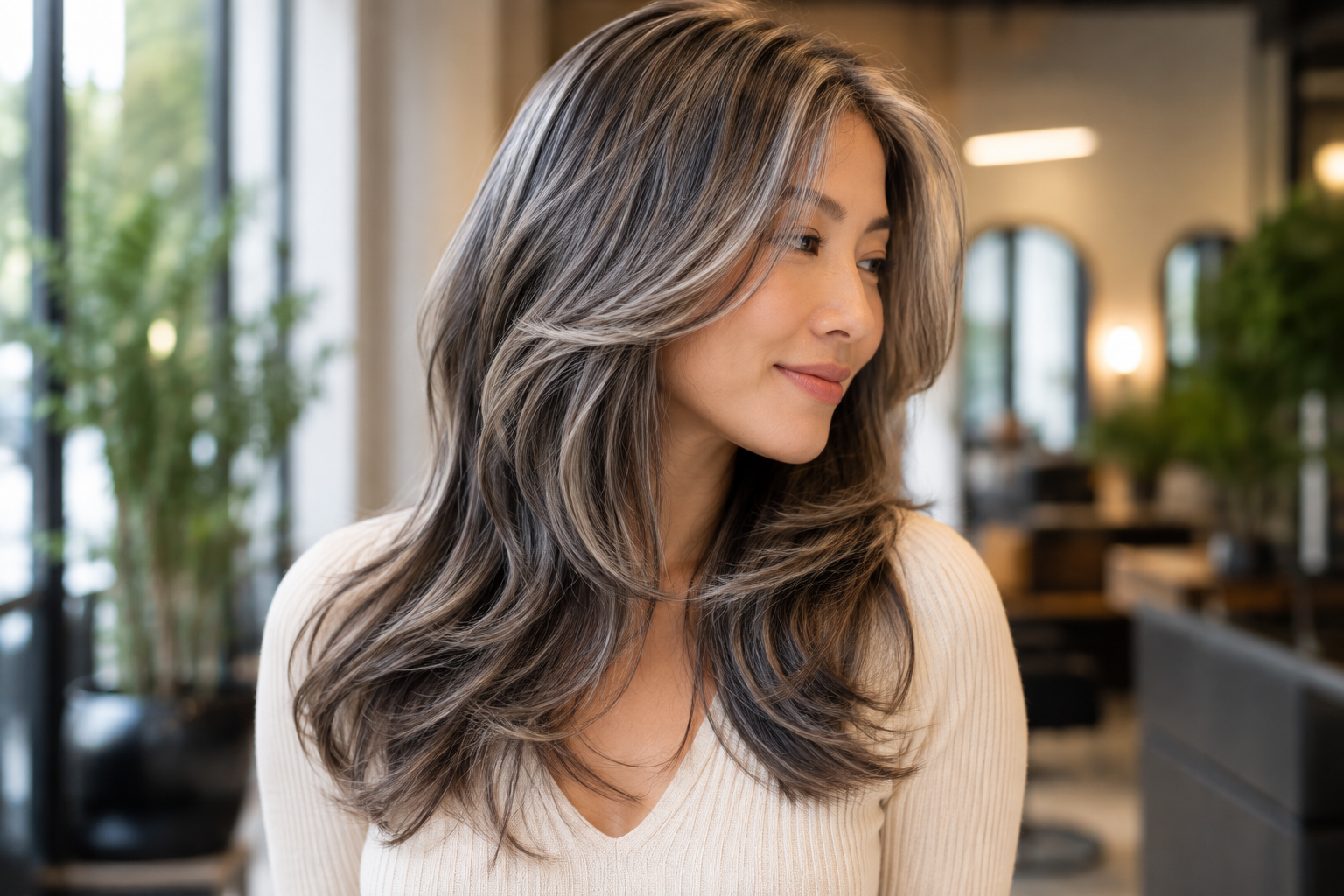
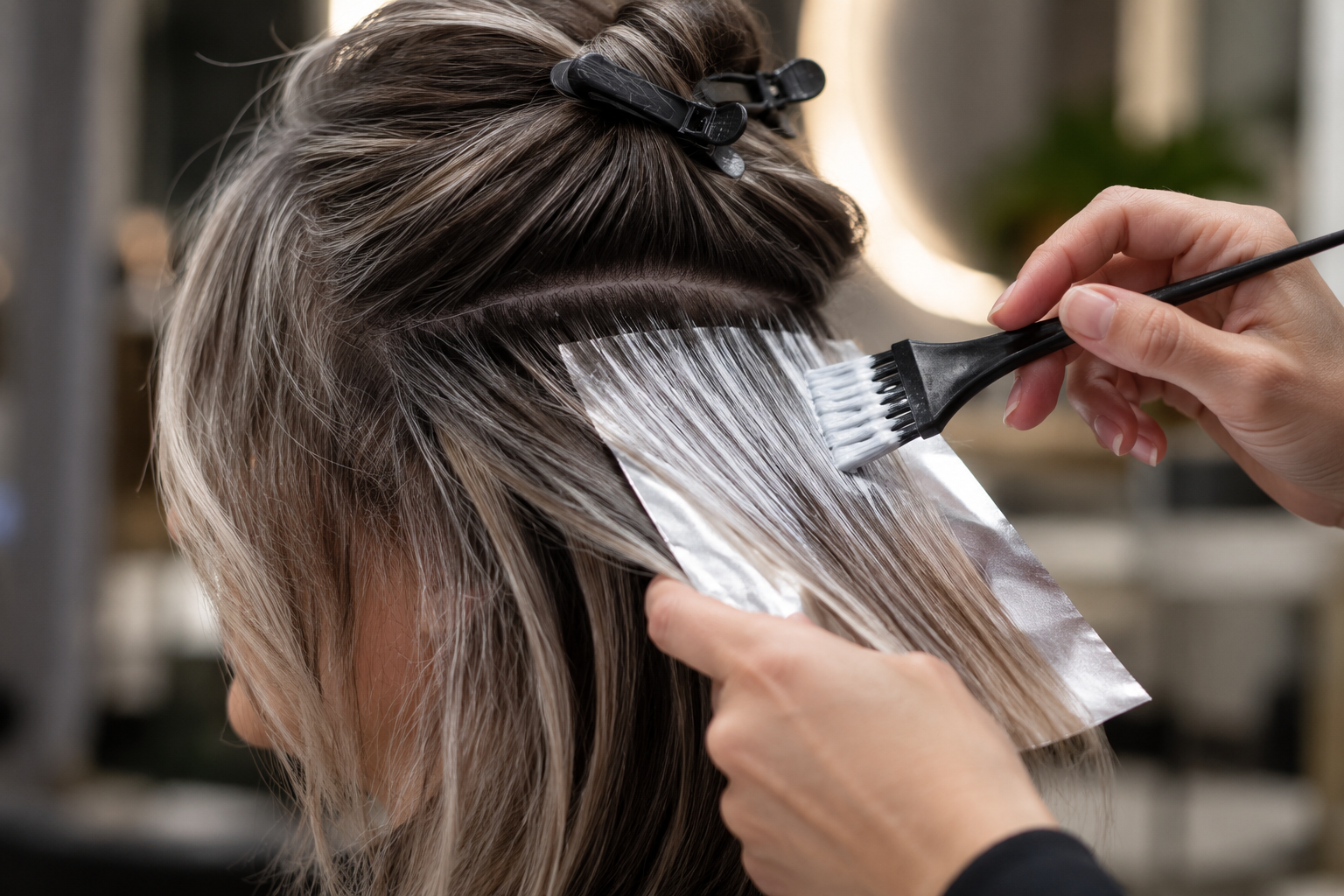
Grey Blending Techniques We May UseThere's no single technique that defines grey hair blending it's a category of approaches, and the right one depends entirely on your hair. Depending on what we see at your consultation, your stylist may recommend:Fine or micro highlights to break up solid grey or dark sections with lighter dimensionLowlights to add depth where hair is heavily grey and needs tonal variationDimensional colouring, combining multiple tones for a more natural, multi-layered finishStrategic face-framing highlights around the hairline, where grey often shows firstRoot blending or grey root blending colour, softening the contrast at the regrowth areaBalayage-inspired placement, hand-painted for a softer, less structured grow-outToning, to correct brassiness or adjust warmth so the grey and colour sit together wellColour correction, where previous colour history needs to be addressed before blending can beginA gradual transition plan, moving hair from artificial dark colour toward natural grey over multiple visitsSome clients need just one of these; others benefit from a combination. This is decided at your consultation, not before it.
Does Grey Hair Blending Require Bleach?
Not always. Whether lightening is needed depends on several factors:Whether you currently have artificial colour that needs to be liftedYour natural hair level and how much contrast you wantYour grey percentage and where it's concentratedThe result you're aiming for (subtle blending versus a lighter, more dramatic finish)Your hair's chemical history and current conditionSome clients with minimal artificial colour and scattered natural grey can be blended using demi-permanent colour, toning or lowlights alone, with little or no lightening involved. Others particularly those transitioning from years of dark dye will need some lightening to achieve the look they want. We assess this at consultation rather than assuming bleach is always required.How Often Does Grey Blending Need Maintenance?Grey blending is often more forgiving at the roots than full grey coverage, but "how often" genuinely varies by client. A few honest factors that affect your maintenance schedule:Technique used highlights and balayage-style placement generally grow out more softly than a solid, all-over colourYour natural hair colour the greater the contrast between your natural colour and your grey, the more noticeable regrowth will beGrey percentage higher grey percentages may show regrowth differently from scattered greyHow polished you want the result to look some clients are comfortable with visible regrowth for longer; others prefer to come in sooner
Grey Hair Blending FAQ
How much does grey hair blending cost?
Grey blending isn't a separate line on our price list it's typically quoted under our Technical Colour (from $168, excl. GST) or Lifting Colour (from $188, excl. GST) pricing, depending on how many techniques your hair needs and how long the service takes. Your stylist will confirm an exact quote after assessing your hair and colour history at consultation, since it genuinely varies from client to client.
What is grey hair blending?
Grey hair blending is a colouring approach that incorporates your natural grey or white hair into the overall colour design using highlights, lowlights or dimensional colour instead of dyeing every strand to fully cover it.
Is grey blending different from normal grey coverage?
Yes. Grey coverage aims to conceal most or all grey with a solid, opaque colour. Grey blending works with the grey that's there, using lighter or darker pieces to soften the contrast, which often results in a less obvious regrowth line.
Can grey hair be blended instead of completely covered?
In many cases, yes. Whether it's the right approach for you depends on your grey percentage, distribution and hair condition, which is why we assess this at consultation rather than assuming it suits everyone.
Can highlights alone camouflage grey hair?
Highlights can blend a significant amount of grey, especially when it's scattered or concentrated at the hairline. For higher grey percentages, highlights are often combined with lowlights or toning for a more even result.
Is grey blending always lower maintenance than full colour? Not always, and we won't promise that. It's often more forgiving at the roots than solid coverage, but actual maintenance depends on your technique, your grey percentage and the contrast between your natural colour and your grey.
How often will I need to come in for touch-ups?
This varies by client and technique. Highlights and balayage-style placement tend to allow longer stretches between visits than full coverage, but your stylist will give you a specific timeline based on your hair once your plan is decided.
Can I transition from dyed dark hair to grey?
Yes, though this is typically a multi-session process rather than a single appointment, especially if you have years of dark colour built up. Your stylist will map out a realistic plan based on your colour history.
Does grey hair blending require bleaching?
Not always. It depends on whether you have artificial colour to lift, your natural hair level, your grey percentage and the result you want. Some clients are blended with little to no lightening; others need some as part of the process.
What if I only have a few grey hairs?
Scattered or early grey, especially around the hairline, is often blended with fine or face-framing highlights without a major change to your overall colour.
What if I have 50% or more grey hair?
Higher grey percentages usually call for a combination approach — highlights, lowlights and toning together — and may benefit from a multi-session plan, particularly if there's previous colour to work through.
Will grey blending suit my skin tone?
It can, but the specific tone matters more than the technique. Cooler ash and silver tones don't suit every complexion. We assess your skin's undertone before recommending a colour direction so it complements rather than dulls your complexion.
Will grey hair blending make me look older or can it still look fashionable?
Grey blending is widely used as a modern, dimensional colour approach rather than a way of "hiding" age. Done thoughtfully and matched to your skin tone, it's designed to look intentional and current, not flat or unfinished.
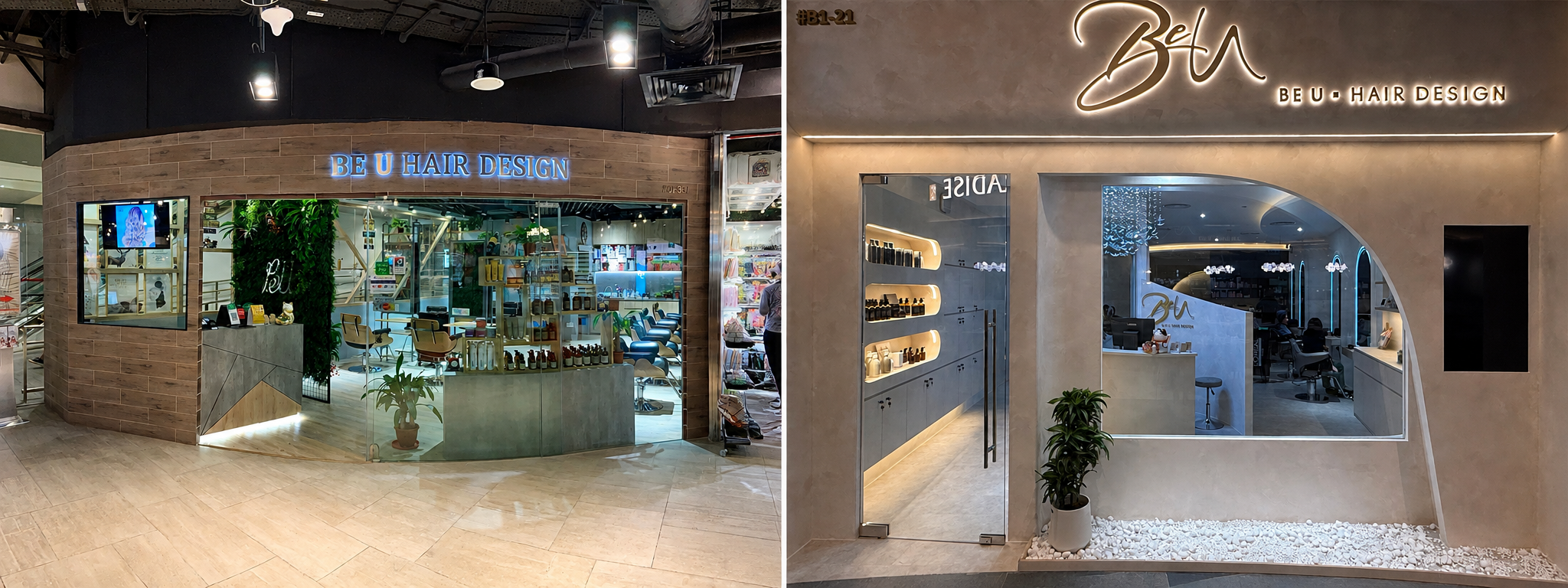
Book a Grey Hair Blending ConsultationBecause the right approach depends entirely on your hair — your grey percentage, your natural colour, your skin undertone and your maintenance preference — we don't recommend a specific technique until we've actually seen you. Book a consultation with our colour stylists at Be U Hair Design – The Centrepoint (Orchard, near Somerset MRT) or Be U Hair Design – The Star Vista (Buona Vista, linked to Buona Vista MRT), and we'll assess your hair and talk through an approach that's designed around you, not a trend.
Book a Consultation → The Centrepoint (Orchard): +65 6909 3250 · The Star Vista (Buona Vista): +65 6560 0222 · WhatsApp